
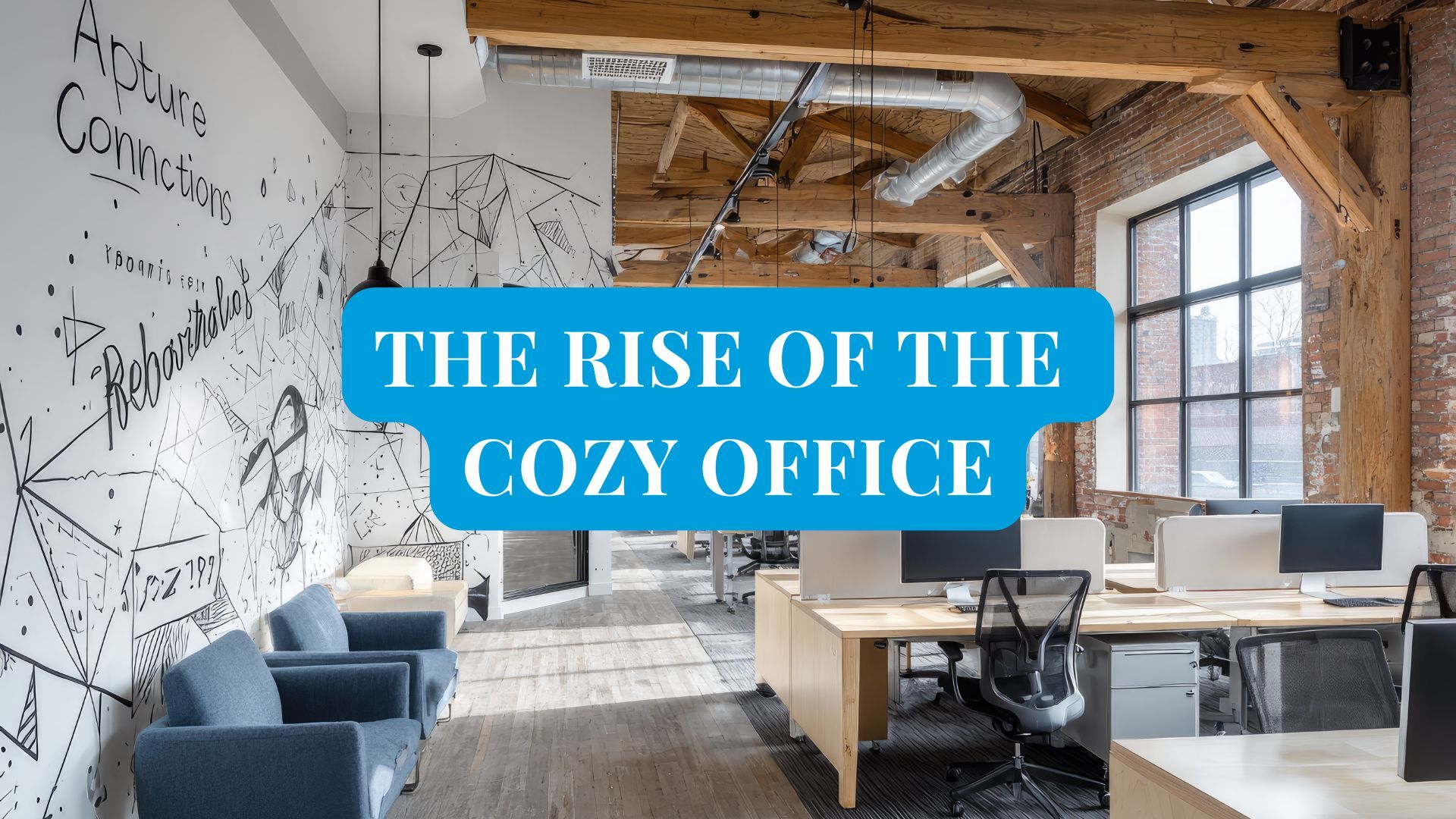
20 Jan The Rise of the Cozy Office
The cozy office is not a passing trend. It is a response to burnout, hybrid fatigue, and years of workplaces prioritizing efficiency over humanity. In 2026, employees want spaces that feel supportive, comfortable, and human.
Professionalism has been redefined. Comfort is now understood as a performance enhancer, supporting focus, collaboration, and engagement. Sterile offices struggle to draw people back, while thoughtfully designed spaces offer something employees cannot replicate at home.
At the center of this shift is the breakroom. More than any other space, it sets the emotional tone of the office. It quietly signals whether rest is allowed, connection is encouraged, and people are trusted to take care of themselves.
Comfort as a Cultural Signal
Moments like National Sweatpants Day may seem playful, but they reflect a deeper shift toward psychological safety. Allowing comfort in dress gives employees permission to show up more authentically and reduces the pressure to perform professionalism.
Breakrooms are often where this culture becomes visible. When people feel comfortable sitting casually, grabbing a drink, or lingering in conversation, the space reinforces that sense of ease. Comfort in clothing and comfort in space work together.
Breakrooms as Emotional Anchors
Employees may spend most of their day at their desks, but they judge workplace culture through shared spaces. A cold, purely functional breakroom suggests efficiency over care. A warm, inviting one communicates trust and thoughtfulness.
In many offices, the breakroom becomes an emotional anchor. When it feels welcoming, the rest of the office feels more humane by extension.
Rest, Connection, and Momentum
Rest is no longer viewed as wasted time. Short breaks and intentional rest improve focus, memory, and emotional regulation. When rest zones or quiet areas are integrated into or near breakrooms, they feel normalized rather than indulgent.
Social connection matters just as much. Pet friendly offices, casual seating, and shared moments spark spontaneous interaction and small bursts of joy. These low effort connections help rebuild trust and cohesion in hybrid workplaces.
Cozy does not mean unstructured. The most effective offices balance comfort with clarity. Clear zoning helps employees intuitively understand where to recharge and where to focus. When designed well, cozy spaces support momentum rather than slow it down.
Why the Cozy Office Works
The cozy office succeeds because it aligns with how people actually work and live today. It recognizes that rest, comfort, and connection are essential to performance.
Breakrooms lead this shift because they sit at the intersection of culture and experience. They are where comfort is most visible and most felt.
In 2026, offices that embrace coziness are not lowering standards. They are raising them by designing spaces that support the whole person.
Cozy Elements That Matter Most
Creating a cozy breakroom does not require luxury. It requires intention. Soft seating, warm lighting, calming textures, and thoughtful sound and scent design all help employees decompress without distraction.
These details work quietly, but their impact is significant.
Looking to create a breakroom that sets the right emotional tone for your workplace?
Coolbreakrooms helps organizations design cozy, human centered breakroom experiences that support connection, comfort, and focus.